




Commitments to Renewing Life
For planet
Reducing waste
100 %
We responsibly manage the waste generated in our operations and comply with all legal standards. Our goal is to find solutions that promote circularity, allowing waste to be repurposed in other production processes. To achieve this, we seek sustainable technologies and solutions for industrial waste—traditionally sent to landfills or third-party facilities—that can be transformed into products such as soil acidity correctors and other agricultural inputs.
Currently, our forestry operations utilize this solution, successfully reintroducing what was once discarded into the process. Additionally, we convert some of our waste into biomass for energy production (energy recycling), and we have a dedicated team responsible for selling these by-products to other industries.
Information
ScopeThe commitment reflects the waste sent to landfill per ton of product (kg/t), based on the total industrial waste sent (kg) by all Suzano's industrial units in Brazil. It includes waste directed to both its own and third-party landfills, covering non-hazardous inorganic industrial waste like grits and lime sludge, as well as organic waste such as primary and biological sludge.
Reduce industrial solid waste sent to landfills per ton of product by 70%, from 44.3 kg/t to 13.3 kg/t by 2030.
In 2025, we surpassed the annual target, achieving an intensity of 13 kg/t, doubling the baseline. This success stems from investments in smart treatment technologies. For instance, inorganic waste was converted into soil acidity correctives, used in our forestry operations and sold to other agricultural firms. The units in Imperatriz, Aracruz, and Três Lagoas notably performed well that year.
Regarding organic waste, we have made progress through partnerships with composting centers, including Jacareí, Mucuri, and Limeira. We are also discussing expanding these initiatives to other units. Consequently, this waste is no longer sent to landfills, aligning our practices with the circular economy.
| 2018 | 2019 | 2020 | 2021 | 2022 | 2023 | 2024 | 2025 | |
|---|---|---|---|---|---|---|---|---|
| kg/t | kg/t | kg/t | kg/t | kg/t | kg/t | kg/t | kg/t | |
|
Industrial waste sent to landfill |
44.30 |
37.00 |
31.70 |
20.80 |
18.40 |
16.30 |
15.30 |
13.00 |
We will persist in optimizing existing waste disposal methods and investing in new sustainable alternatives to effectively reduce the amount of waste sent to landfills.
- The target KPI is calculated by dividing the industrial solid waste sent to landfills, in kilograms (kg), by the product output in tons (t).
- When the goal was set in 2019, data for that year were not yet available, so we used 2018 data to establish the baseline.

Conserve Biodiversity
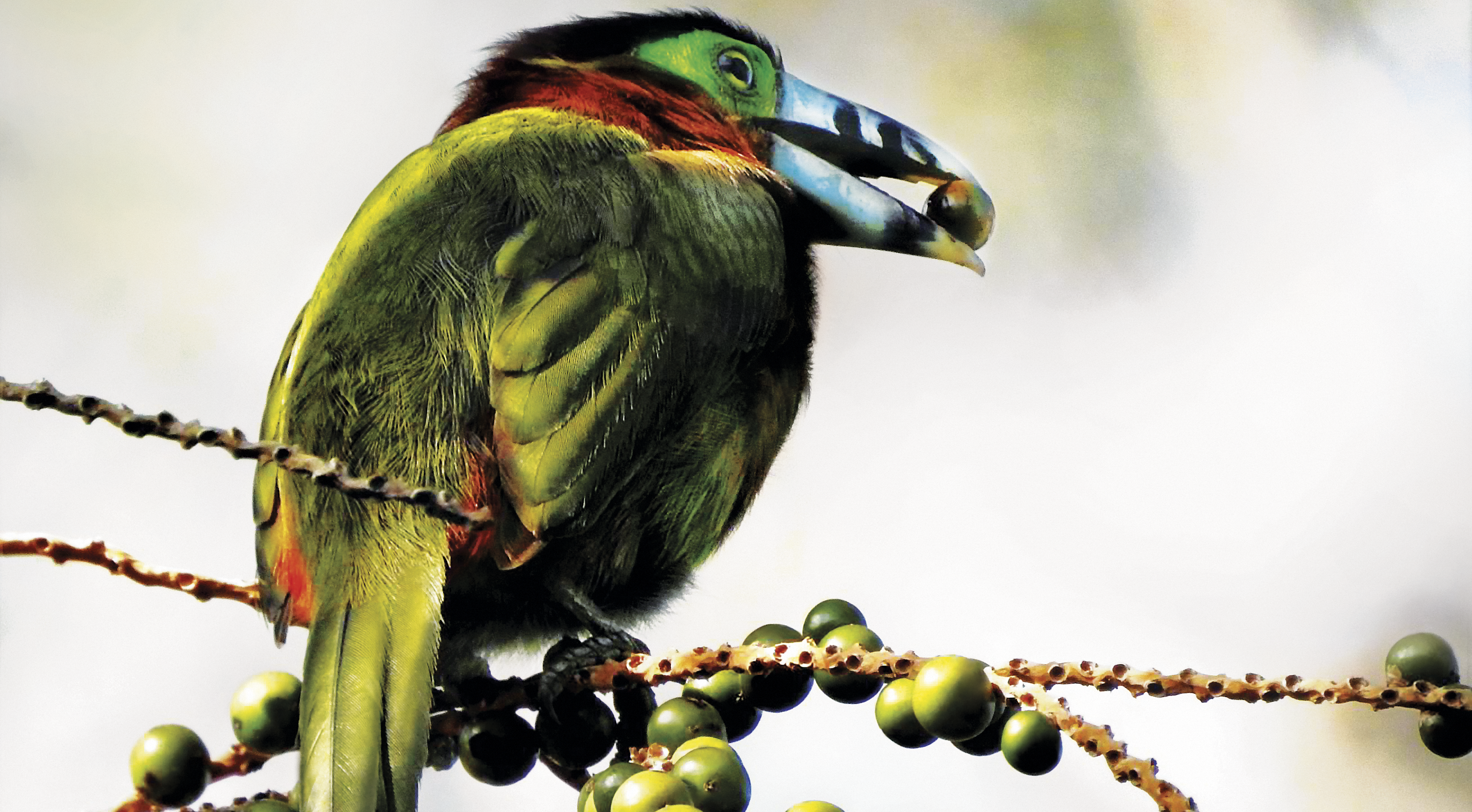
Connect half a million hectares of priority areas for biodiversity conservation in the Cerrado, Atlantic Forest, and Amazon.

Discover our targets to combat the climate crisis
Remove 40 million tons of carbon from the atmosphere by 2025...

Offer renewable products
Make available 10 million tons of renewable-source products that can replace plastic and other petroleum-based products by 2030.

Taking care of the water
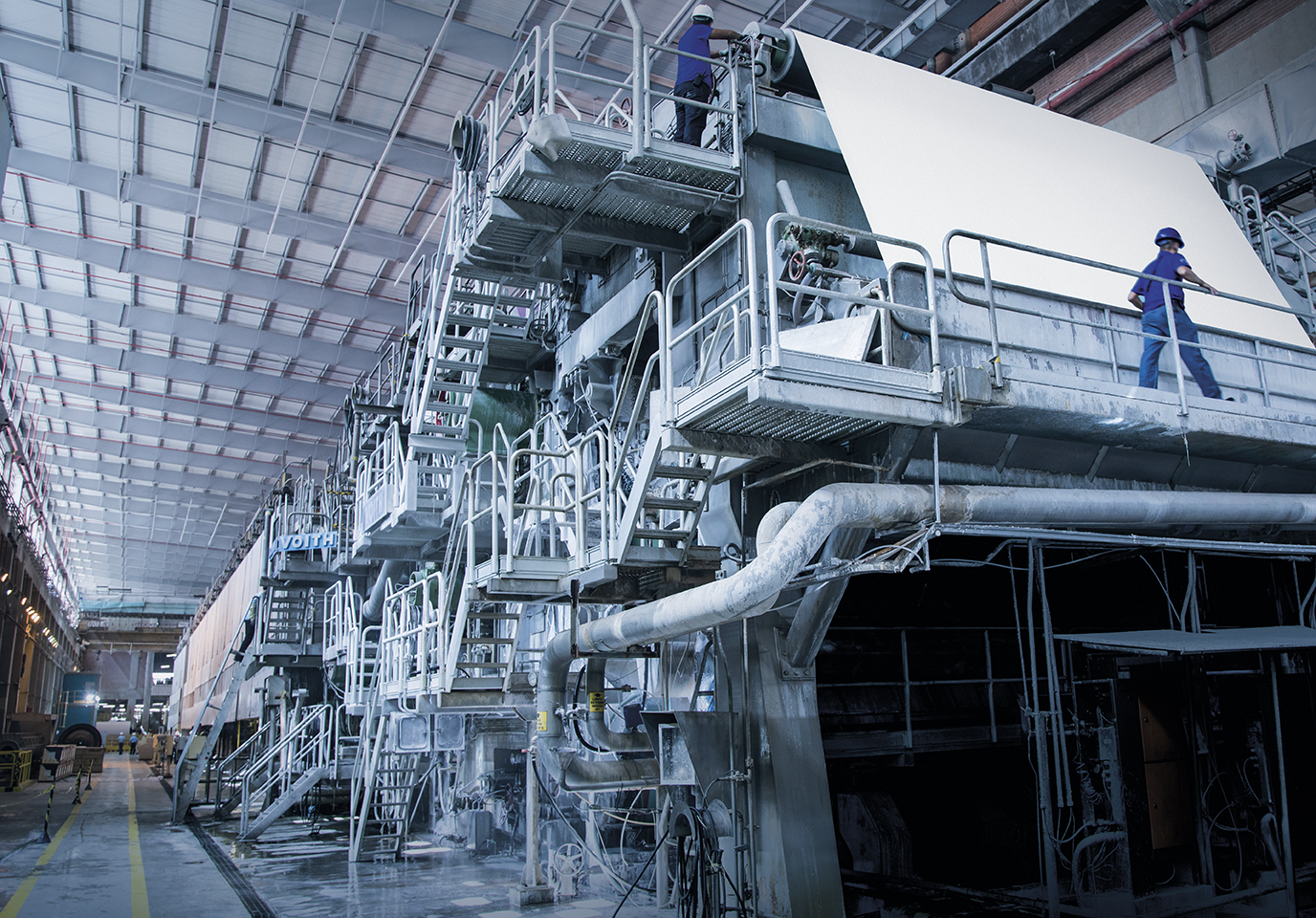
Increase water availability in all the critical watersheds¹ in Suzano's areas of operation by 2030 and reduce by 15% the water captured in our industrial operations...